

An In Depth Look At Sustainable Swimwear + FAQs
Sustainable Swimwear
Key Takeaways
-
Most swimwear today is made from virgin polyester and nylon derived from fossil fuels. Sustainable swimwear uses recycled or bio-based fibers to cut carbon emissions and waste significantly.
-
True sustainable swimwear must address both environmental impacts (materials, microplastics, water use) and social issues (fair wages, safe factories, responsible dyeing and finishing).
-
Lower-impact swim fabrics available in 2025-2026 include ECONYL regenerated nylon, REPREVE recycled polyester, and plant-based innovations—each with distinct strengths and limitations.
-
Consumers can reduce their swimwear footprint by looking for credible certifications, washing less and in cold water, using microplastic-filtering bags, and repairing or reselling pieces.
-
Future trends like circular design, rental models, and textile-to-textile recycling will reduce dependence on virgin synthetics in the coming years.
Introduction to Sustainable Swimwear
Swimwear presents a unique sustainability challenge in the fashion industry. Unlike a cotton t-shirt or linen dress, a swimsuit must stretch, snap back, resist chlorine degradation, and survive salt, sun, and sunscreen—all while looking good. Historically, this meant one thing: fossil-fuel-based synthetics like nylon and polyester blended with elastane.
The environmental impact is significant. Most bikinis and swimsuits on the market in 2025 still rely on virgin synthetics that shed microplastics with every wash. These microfibers travel through wastewater systems and into our oceans, where they affect marine life and enter food chains. Add to this the huge amounts of energy and petroleum required to produce virgin synthetic fabric, and swimwear becomes a surprisingly heavy contributor to fashion’s pollution problem.
So what exactly is sustainable swimwear? It’s an approach that reduces environmental impact across the garment’s entire life cycle—from raw material sourcing through production, use, and end-of-life—while also improving working conditions for people in the supply chain. This means considering everything from the type of materials used to how dyes are managed to whether factory workers earn fair wages.
Consumer interest in eco-conscious swimwear has grown strongly since around 2018-2019, driven by increasing awareness of ocean plastic pollution and climate change. Brands have responded, but navigating the options requires understanding what actually makes a difference.
The rest of this article will walk you through sustainable materials, responsible production practices, certifications worth trusting, practical care tips, and future innovations—everything you need to make better swimwear choices.

Background: Swimwear, Synthetics, and the Ocean
Modern swimwear has come a long way from its origins. In the early 20th century, bathing suits were heavy, cumbersome garments made from wool and cotton that became waterlogged and saggy. The introduction of nylon in the 1940s and Lycra (spandex) in the 1960s revolutionized the industry, enabling the sleek, stretchy, quick-drying suits we know today.
Today’s mainstream swimwear is typically a blend of polyester or nylon with elastane. This combination delivers the comfort and performance swimmers demand—stretch, shape retention, chlorine resistance, and rapid drying. But these materials rely entirely on petrochemicals and are not biodegradable. A conventional swimsuit can take hundreds of years to break down in a landfill.
The microplastic problem adds another layer of concern. Every wash releases thousands of microfibers from synthetic swimwear into wastewater. Many of these fibers are too small for treatment plants to capture, ending up in rivers and oceans where they harm marine life—from tiny plankton to the corals that support entire ecosystems. These plastics eventually enter the food chain, with researchers finding microplastics in fish, shellfish, and even human tissue.
Fast fashion has amplified these issues. Swim collections that change every season encourage impulse buying and limited use, with many suits discarded after just a few wears due to fading, stretching out, or simply falling out of trend. This creates a continuous cycle of textile waste that the fashion production system was never designed to handle.
The good news: recycled synthetics, better design, and improved care habits can significantly reduce environmental harm without sacrificing the performance that makes synthetic swimwear practical.
Garment Use, Lifespan, and Swimwear Waste
Swimwear is often worn for surprisingly short periods. A suit might see action for one summer vacation, a few pool sessions, and then get pushed to the back of a drawer—replaced by next season’s colours or cuts. This limited use pattern means the environmental cost of production is spread over very few wears.
Cheap swimsuits degrade faster when exposed to chlorine, sunscreen chemicals, and intense sun. Shape loss, fading, and elastic breakdown can make a poorly-made suit unwearable after just a season. This is where investing in quality pays off: a well-constructed piece from durable sustainable materials can last multiple summers, dramatically reducing its overall impact.
Most end-of-life swimsuits currently end up in landfills or incineration. The blend of nylon or polyester with elastane makes them difficult to recycle through existing textile recycling systems, which are designed primarily for single-fiber clothing like cotton t-shirts. Once discarded, these garments can persist in the environment for centuries.
Proper care extends swimsuit life significantly. Rinsing immediately in cool water after use, avoiding dryers, and gentle hand-washing can add several seasons of wear to a swimsuit. This simple habit has real sustainability benefits.
Long-lasting, timeless designs are a core principle of sustainable swimwear. Classic silhouettes in versatile colours counter the fast fashion cycle, encouraging wear over years rather than weeks.
Eco-Friendly Swimwear Materials
Choosing more sustainable fibers is one of the most visible and impactful steps in creating eco friendly swimwear. No material is perfect, but some options dramatically reduce the environmental footprint compared to virgin synthetics.
Performance requirements complicate the picture. Swimwear needs stretch, recovery, chlorine resistance, and durability—characteristics that pure natural fibers like organic cotton or hemp struggle to deliver. That’s why many sustainable options still involve synthetics, but increasingly from recycled or bio-based sources rather than virgin petroleum.
The following sections compare established lower-impact options like ECONYL and REPREVE with innovative plant-based and bio-engineered materials. Each has distinct strengths and limitations that affect suitability for different styles and uses.
Regenerated and Recycled Nylon (e.g., ECONYL)
Regenerated nylon represents one of the most significant advances in sustainable swimwear materials. It’s made from waste materials—discarded fishing nets, fabric scraps, industrial plastic, and post-consumer waste—that are chemically processed back into high-quality nylon yarn.
ECONYL, developed by Italian company Aquafil, is the most widely recognized regenerated nylon in the swimwear world. The process works like this: waste is collected from oceans and landfills, cleaned, depolymerised back into its base monomers, and then repolymerised into new yarn. The resulting material is chemically identical to virgin nylon—same stretch, same durability, same performance.
The environmental benefits are substantial. Every 10,000 tons of ECONYL produced prevents approximately 57,100 tons of CO2 emissions and saves around 70,000 barrels of crude oil compared to virgin nylon production. The material can be regenerated infinitely without quality loss, supporting circular fashion principles.
For swimwear designers, regenerated nylon offers excellent stretch, shape retention, and resistance to chlorine and saltwater—making it suitable for everything from women’s men’s bikini sets to performance swim pieces. Many premium sustainable fashion brands have built entire collections around ECONYL.
One important caveat: despite being recycled, regenerated nylon still sheds microfibers during washing and is not biodegradable. It must be paired with responsible washing practices and ideally fed back into recycling solutions at end-of-life for true circularity.
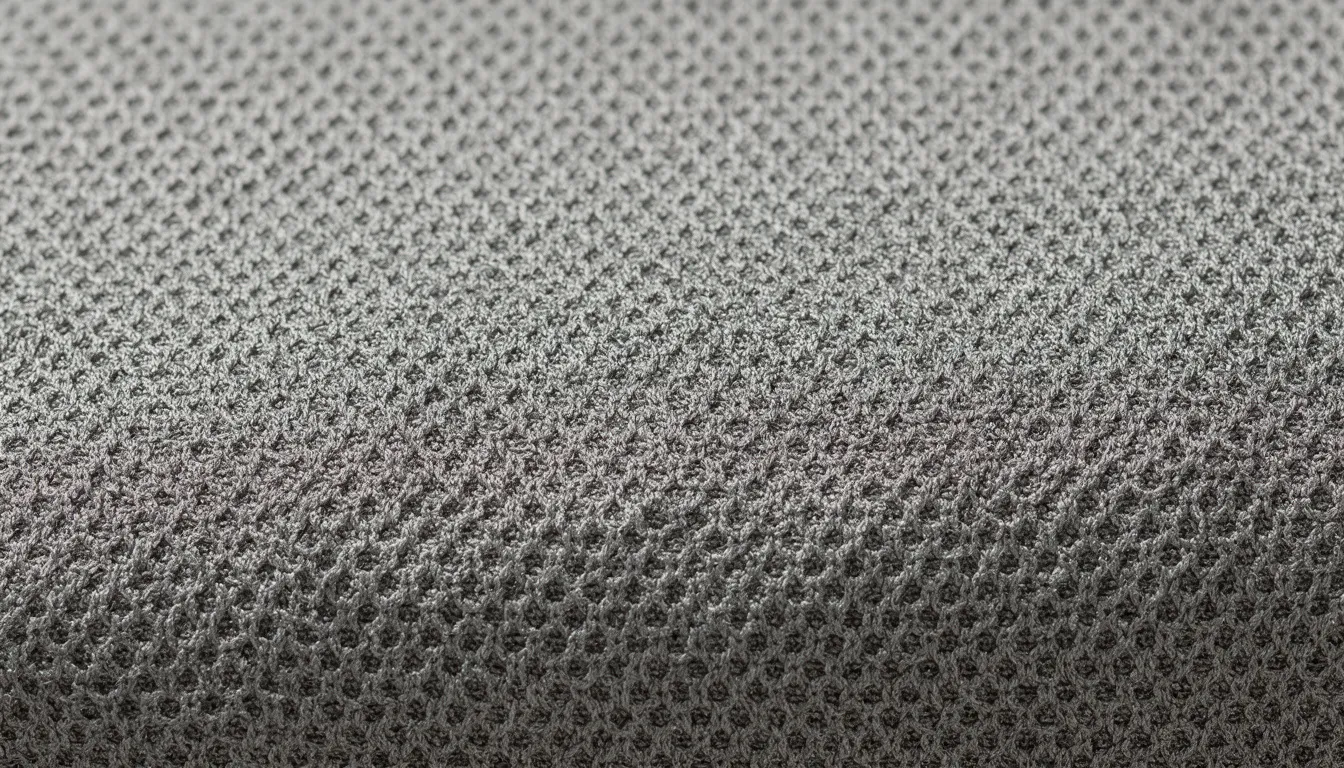
Recycled Polyester (e.g., REPREVE)
Recycled polyester for swimwear comes primarily from post-consumer PET bottles, textile offcuts, or other polyester waste. These materials are collected, cleaned, and processed—either mechanically or chemically—into new polyester yarn.
REPREVE is one of the most widely used branded recycled polyester fibers in the apparel industry, including swimwear. It’s traceable through a certification system, allowing clothing manufacturers and consumers to verify recycled content claims. You’ll find it in everything from rash guards to surf shorts.
The advantages are clear: lower energy use compared to virgin production, reduced demand for virgin petroleum, and a productive use for plastic bottles that might otherwise be landfilled or incinerated. Recycled polyester achieves approximately 75% fewer greenhouse gas emissions than virgin production.
For swimwear applications, recycled polyester may not always match nylon’s stretch and softness, particularly for fitted styles like one-pieces or bikini bottoms. It works best when combined with high-quality elastane and thoughtful construction. Some styles—like board shorts, cover-ups, and looser-fitting pieces—are excellent candidates for recycled polyester dominant blends.
Like regenerated nylon, recycled polyester still releases microfibers during washing. The primary environmental benefit is reducing waste and virgin resource extraction, not eliminating microplastics.
Plant-Based and Innovative Fibers for Swimwear
The search for alternatives to petroleum-based synthetics has led to experimentation with bio-based and plant-derived sustainable materials. These include blends incorporating TENCEL Lyocell, organic hemp, and bio-based polyamides derived from castor beans or corn.
As of 2025, most fully plant-based fabrics remain challenging for high-performance swimwear. Pure organic cotton, hemp, or linen absorb water, dry slowly, and lack the stretch and recovery needed for a flattering, functional swimsuit. These natural fibers work better for cover-ups, beach dresses, and resort wear than for in-water garments.
However, innovation continues. Bio-based LYCRA integrates up to 70% renewable materials while maintaining the stretch performance swimmers expect. Some manufacturers are experimenting with coatings and finishes derived from algae or plant sources to reduce reliance on conventional chemicals.
These innovations are promising but still niche and often more expensive. Consumers should look for transparent life-cycle information rather than marketing buzzwords. A claim of “plant-based” or “bio-derived” means little without specifics about what percentage of the garment actually comes from renewable sources.
As recycling technologies and bio-based polymers advance, future swimwear may significantly reduce or replace conventional cotton and synthetic dependence—but robust testing and standards are still developing.
What to Watch Out for: Material Greenwashing
Some fashion brands market swimwear as eco based on minimal changes that don’t substantially reduce environmental impact. A suit with only 10-20% recycled content, with the majority remaining conventional synthetic, may carry “eco-friendly” labelling that overstates its benefits.
When evaluating swimwear sustainability claims, examine fiber composition labels closely. Look for clear percentages like “78% regenerated nylon, 22% elastane” rather than vague terms like “made with recycled materials.” A garment could technically make that claim with just 5% recycled content.
Be especially cautious with bamboo claims. Bamboo used in stretchy swim fabrics is typically processed into rayon or viscose using chemical intensive crops processing methods. Unless specifically certified (like OEKO-TEX or FSC-certified bamboo lyocell), bamboo viscose can be as environmentally harmful as conventional rayon production.
Third-party verification matters. Certifications like GRS (Global Recycled Standard) for recycled content are more trustworthy than vague in-house “green” logos or unverified claims. Brands genuinely committed to sustainable practices welcome questions about their supply chains and can provide documentation.
Responsible Production and Ethical Supply Chains
Sustainable swimwear isn’t only about fabrics. How and where pieces are made—and under what working conditions—matters just as much as material choice.
Swimwear production involves multiple steps: knitting or weaving the fabric, dyeing and finishing, cutting, sewing, and quality control. Each stage has both environmental and social impacts. Dyeing alone can consume massive quantities of water and chemicals if not properly managed.
Common sustainability issues in swimwear supply chains mirror those in the broader fashion industry: low wages in garment factories, unsafe working environments, pollution from uncontrolled dyeing effluent, and lack of transparency about where and how products are made.
Responsible brands commit to fair labor practices, stricter chemical management, and traceability from fiber to finished garment. Evidence of this commitment might include published supplier lists, regular third-party audits, and detailed information about production processes on brand websites.
Chemical Management, Dyeing, and Finishing
The bright, fade-resistant colours that make swimwear appealing typically require intensive dyeing and finishing processes. Without proper controls, these processes can involve hazardous chemicals that pose risks to workers and the environment.
Untreated wastewater from dye houses can contaminate rivers and coastal areas. This is particularly concerning in major garment manufacturing regions across Asia and Latin America, where environmental regulations may be less stringent or poorly enforced. The same chemicals that create vibrant colours can devastate aquatic ecosystems.
More responsible producers follow frameworks designed to minimize chemical harm:
-
EU REACH regulations restrict thousands of hazardous substances
-
ZDHC (Zero Discharge of Hazardous Chemicals) guidelines set standards for wastewater treatment
-
Bluesign certification ensures safer chemical use throughout production
When shopping for sustainable clothing, look for swimwear lines that mention non-toxic dyes, OEKO-TEX Standard 100 certification, or similar standards that limit harmful residues in finished garments. These certifications test for substances that could harm your skin as well as the environment.
Safer chemistry protects more than just waterways—it also reduces health risks for workers who handle dyes and finishing chemicals daily in manufacturing facilities.
Fair Labor and Factory Standards in Swimwear Manufacturing
Most swimwear is produced in countries with large garment industries—China, Vietnam, Indonesia, and parts of Eastern Europe and Latin America—where labour protections vary widely. Low production costs often correlate with inadequate worker protections.
Fair labor in swimwear manufacturing encompasses several key elements:
-
Living wages that cover basic needs, not just legal minimum wages
-
Reasonable working hours without excessive mandatory overtime
-
Safe buildings and equipment with proper ventilation, fire exits, and protective gear
-
The right to organize and join unions without retaliation
Credible initiatives like Fair Wear, SA8000 certification, and independent third-party social audits aim to verify conditions. However, no audit system is perfect. These must be paired with genuine brand responsibility and mechanisms for workers to voice concerns safely.
Good brands publish their code of conduct, disclose factory locations, and report on progress rather than relying on vague claims like “ethically made.” Transparency about where garments are produced—and willingness to discuss challenges—suggests genuine commitment to ethical sourcing rather than marketing spin.
Improving working conditions is a long-term commitment. Swimwear customers can support better production practices by asking brands questions and being willing to invest in fewer, better-made pieces from responsible manufacturers.
Certifications, Standards, and How to Read Swimwear Labels
Third-party certifications help separate genuinely lower-impact swimwear from simple marketing slogans. Understanding what different labels mean empowers you to make informed choices.
Key certifications to recognize:
|
Certification |
What It Verifies |
|---|---|
|
GRS (Global Recycled Standard) |
Recycled content percentage, plus basic social and environmental requirements |
|
OEKO-TEX Standard 100 |
Finished garment tested for harmful substances |
|
Bluesign |
Safe chemical management throughout production |
|
B Corp |
Broader company-wide sustainability and social commitments |
When reading fiber composition labels, look for specific percentages. A hangtag might read: “78% ECONYL regenerated nylon, 22% elastane, certified to GRS and OEKO-TEX 100.” This tells you exactly what you’re getting and that third parties have verified the claims.
Certifications should be seen as useful tools but not absolute guarantees. Brand behaviour over time, transparency about challenges, and responsiveness to questions also matter. A company committed to continuous improvement may be more trustworthy than one with certifications but no willingness to discuss their sustainability journey.
Key Labels and What They Mean
The Global Recycled Standard (GRS) verifies that a stated percentage of a product’s fibers come from recycled sources. It also sets basic requirements for social and environmental practices in production. When you see GRS certification, you can trust that the recycled content claims have been independently verified.
OEKO-TEX Standard 100 takes a different approach, testing finished garments for over 100 harmful substances. This certification reassures consumers about skin contact safety and chemical residues—particularly important for swimwear worn against the body in water.
Some brands use additional certifications or memberships to demonstrate broader commitments. B Corp certification evaluates overall company practices including environmental impact, worker treatment, and community engagement. Textile Exchange membership indicates participation in industry-wide efforts to improve fiber sourcing.
To verify certification claims, look up the certification number on official websites. Logos can be misused or copied without authorisation, but legitimate certifications are traceable through issuing bodies.
How to Choose and Care for Sustainable Swimwear
Even the most sustainable swimsuit still has an environmental impact. Choosing well and caring for it properly are crucial steps for conscious consumers. A high-quality sustainable piece that you wear for five summers has far less impact than buying a new “eco-friendly” suit every year.
Buying Checklist: What to Look For
Material composition matters most. Prioritise high recycled-content fabrics—70% or more regenerated nylon or recycled polyester combined with quality elastane—rather than low-percentage blends marketed as “eco.” Check the label for specific percentages.
Choose timeless over trendy. Classic colours (black, navy, forest green) and silhouettes (well-cut one-pieces, simple bikinis) will feel wearable for several seasons. Avoid highly trend-driven prints or extreme cuts likely to date quickly. Sustainable fashion means wearing what you buy.
Verify certifications. Look for GRS, OEKO-TEX, or equivalent third-party verification. Check brand websites for information about factory locations, supply chains, and sustainability commitments.
Assess construction quality. Features that extend lifespan include:
-
Double-lining in key areas
-
Strong, flat seams that won’t irritate or unravel
-
Adjustable straps that accommodate slight fit changes
-
Quality elastic that maintains recovery
Consider cost per wear. A $150 sustainable suit worn 50 times over four summers costs $3 per wear. A $30 fast fashion piece worn 10 times before degrading costs the same—with far greater environmental impact.

Care Tips to Extend Lifespan and Reduce Impact
Rinse immediately after every use. Fresh, cool water removes chlorine, salt, and sunscreen residue that accelerate fiber breakdown. This single habit can add years to a swimsuit’s life.
Wash gently and infrequently. When washing is needed, use:
-
Cool or cold water (never hot)
-
Mild, biodegradable detergent
-
Gentle hand-washing or a delicates cycle
-
No bleach or fabric softeners, which damage elastane
Dry properly. Never wring swimwear tightly—gently squeeze out water instead. Lay flat to dry in the shade. Direct sun and tumble drying accelerate wear and tear on both fabric and elastic.
Use a microfiber-catching laundry bag. When machine washing is necessary, these bags capture microfibers before they enter wastewater. Brands like Guppyfriend make bags specifically designed for this purpose. This reduces the microplastic shedding that affects ocean health.
Repair before replacing. A loosened strap can be re-stitched. A minor seam opening can be mended. Simple repairs extend use significantly, reducing waste and demand for new resources.
End-of-Life: What to Do With Old Swimwear
Most municipal textile recycling systems aren’t yet equipped to handle elasticated swimwear blends. The mix of nylon or polyester with elastane makes conventional recycling difficult. However, options exist beyond the landfill.
Repurposing ideas:
-
Convert bikini tops into bralettes for loungewear
-
Use fabric for headbands, scrunchies, or children’s costume projects
-
Cut old swimsuits into cleaning cloths for non-scratch surfaces
Some swimwear and activewear brands are piloting take-back or recycling schemes. Check brand websites—particularly those using ECONYL—for such programs. These initiatives aim to close the loop by feeding old garments back into material production.
For gently used pieces in good condition, donation may be appropriate. Target organisations that explicitly accept swimwear and can resell or redistribute it responsibly. Many thrift stores have restrictions on intimate apparel, so check before donating.
The most sustainable approach: buy durable, timeless pieces that need replacing less frequently. Every year you extend a swimsuit’s life is a year you’re not contributing to reducing waste from new production.
Future Trends and Innovations in Sustainable Swimwear
The sustainable swimwear landscape is evolving rapidly. Looking toward 2030, several trends promise to reshape how the industry approaches environmental responsibility.
Circular design is gaining traction—swimwear intentionally designed for disassembly and recycling. Some designers are exploring mono-material suits with redesigned stretch components that can be recycled as single-fiber textiles rather than difficult-to-process blends.
Digital tools and on-demand production can reduce overstock and waste. Made-to-order swimwear, while currently niche, eliminates the unsold inventory that represents a significant sustainability issues in conventional fashion production. Small-batch runs informed by actual demand rather than trend speculation reduce waste at the source.
Business model innovation is challenging the ownership paradigm. Rental and subscription services for vacation wardrobes and maternity swimwear reduce the number of seldom-worn pieces purchased new. These models work particularly well for swimwear, which is often wanted for specific trips or life phases.
Progress is real but requires perspective. Systemic change in materials, infrastructure, and consumer habits is needed for truly sustainable swimwear at scale.

Advances in Recycling and Bio-Based Polymers
Emerging chemical recycling technologies aim to break down nylon and polyester in mixed-material garments back into usable monomers. This could make closed-loop swimwear recycling feasible at scale—returning old suits to raw material form for new production without quality loss.
Bio-based polyamides and polyesters derived from castor beans, corn, or agricultural residues continue development. These materials aim to deliver synthetic performance from renewable sources, reducing fossil fuel dependence. However, full life-cycle assessments are needed to confirm benefits, including land use, water consumption, and end-of-life behaviour.
Several brands are collaborating with recyclers, universities, and material science startups to test circular swimwear prototypes. Pilot programs in the mid-2020s are generating learnings that should enable more commercial-scale solutions by 2030.
Technology alone won’t solve everything. Infrastructure for collection, sorting, and reprocessing must scale alongside material innovation.
Changing Consumer and Industry Mindsets
Long-term sustainability in swimwear depends on cultural shifts away from “new swimsuit every holiday” mindsets. This means valuing versatility, durability, and repair over constant newness.
In recent years, younger consumers and social media have played contradictory roles—driving both overconsumption through constant trend cycles and amplifying zero-waste, minimalist, and ocean-protection movements. The trend toward mindful purchasing appears to be gaining ground, with consumers increasingly questioning whether they need yet another swimsuit.
Collaborations between swim brands, non governmental organizations, and marine conservation groups are creating broader sustainability efforts beyond individual garment sales. Beach clean-ups, ocean education programs, and policy advocacy connect swimwear to its natural context—the world’s oceans and waterways.
Regulatory changes are coming. Extended producer responsibility schemes and stricter chemical rules in major markets like the EU will push the industry toward more accountable swimwear production. Brands preparing now will have competitive advantages as requirements tighten.
Informed consumer choices today can accelerate this progress. Every purchase that favours durability, transparency, and genuine environmental responsibility over greenwashing sends a market signal that matters.
FAQ
Is sustainable swimwear really better for the environment than regular swimwear?
Sustainable swimwear made from high recycled-content fabrics and produced under responsible conditions generally has a lower environmental footprint than conventional virgin-synthetic swimwear. The benefits are most significant in terms of reduced fossil fuel use and waste diversion—ECONYL, for example, prevents 90% of the CO2 emissions associated with virgin nylon production.
However, actual impact depends on material percentages, production processes, and how long the garment is used. A “sustainable” suit worn twice has more impact than a conventional suit worn for five years. The combination of better materials and longer, more careful use delivers the greatest environmental benefit.
Can I find sustainable swimwear options at affordable prices?
Many sustainable swim brands currently sit in the mid-to-higher price range—typically $80-200 for quality pieces. This reflects smaller production volumes, premium recycled fabrics, and better labour standards. However, cost-conscious strategies exist:
-
Shop end-of-season sales when sustainable brands mark down inventory
-
Choose one versatile suit rather than several trend-driven pieces
-
Explore second-hand marketplaces like Depop or Poshmark for quality pre-owned swimwear
-
Calculate cost per wear: a $150 suit lasting five summers often beats cheap suits needing annual replacement
Does recycled swimwear still shed microplastics?
Yes. Recycled nylon and polyester swimwear still shed microfibers because they are structurally identical to virgin synthetics at the molecular level. The recycling process doesn’t change the fundamental properties that cause shedding.
The environmental benefit of recycled fibers lies in reduced virgin petrochemical use and waste diversion, not microplastic elimination. To minimize shedding: hand-wash when possible, use microfiber-catching laundry bags like Guppyfriend, and wash less frequently overall.
Are there any fully biodegradable or plastic-free swimsuits available yet?
As of mid-2025, fully biodegradable, high-performance swimwear remains rare. Natural fibers can’t deliver the required stretch, durability, and chlorine resistance for serious swimming. Some experimental products use bio-based or compostable components, but they typically involve performance trade-offs or are limited to beach cover-ups rather than in-water garments.
For now, choosing high recycled-content synthetics, maximizing garment lifespan, and minimizing washing remain the most reliable lower-impact options for actual swimwear.
How many swimsuits should I own to be more sustainable?
There’s no universal number, but a more sustainable approach means owning only as many swimsuits as you genuinely use regularly. For most casual swimmers, 1-3 well-chosen pieces cover all needs:
-
One classic style for everyday pool or beach use
-
One performance piece if you swim laps regularly
-
One dressier option for vacations or resort occasions (optional)
Assess your actual swimming habits before buying. Building a small, versatile collection rather than accumulating multiple similar styles usually has greater sustainability impact than focusing solely on switching to recycled fibers.